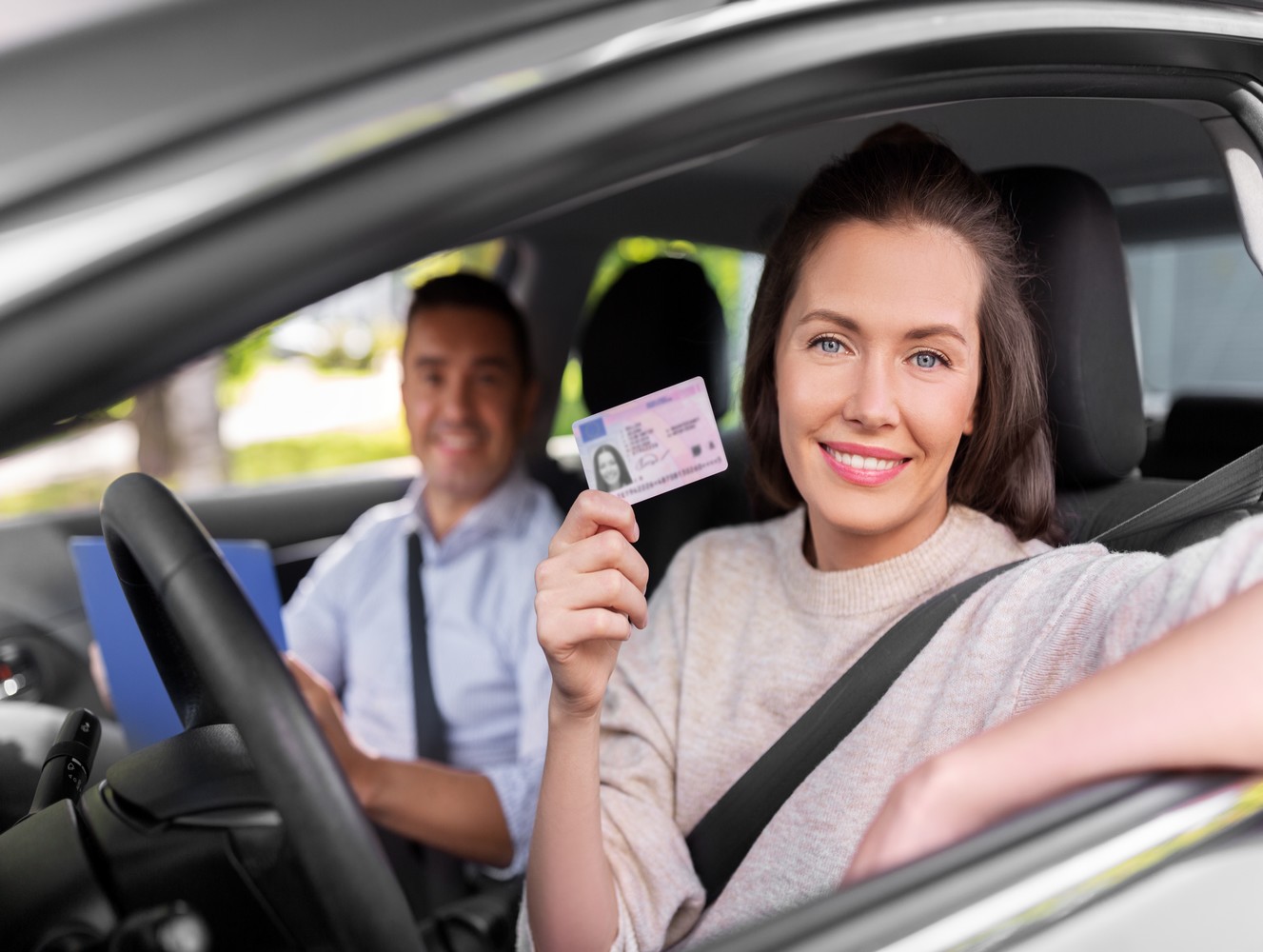
Why You Should Concentrate On Making Improvements In Obtaining French Driving License
Obtaining a French Driving License: A Comprehensive Guide
Obtaining a driving license in France can be a difficult process for both citizens and expatriates. France requires that motorists stick to particular legal and useful requirements, guaranteeing a smooth transition into the French driving system. This short article offers an extensive overview of the actions associated with obtaining a French driving license, including possible risks and often asked questions.
Introduction of French Driving License Categories
France concerns a number of categories of driving licenses, which represent different types of lorries. The primary categories consist of:
Category
Description
B
Vehicles (as much as 3.5 loads, and can bring up to 8 travelers)
A
Motorcycles (various subclasses depending upon engine size)
C
Trucks (over 3.5 heaps)
D
Buses (for transporting nine or more passengers)
BE
Trailers (over 750 kg)
Understanding these categories is important, as the type you require will dictate the requirements and training included in obtaining your license.
Eligibility Requirements
To obtain a French driving license, applicants must satisfy specific eligibility requirements:
- Age: Applicants need to be at least 18 years old for a classification B license. Age requirements differ for other categories.
- Residency: Applicants should be legal residents of France and registered with the regional authorities.
- Health: A medical exam might be required, especially for particular classifications such as C and D.
- Driving School: Enrollment in a certified driving school is generally essential, although exemptions can use.
Steps to Obtain a French Driving License
1. Select the Right Driving School
Discovering a qualified driving school is vital. The school should be authorized by the French federal government to make sure that it follows the legal instructional curriculum.
- Look For Local Schools: Use online resources and word of mouth.
- Inspect Credentials: Ensure the school has permission (a “label de qualité”) from the government.
- Consult Reviews: Look for testimonials from former trainees.
2. Enroll and Pay Fees
Once a school is selected, enlist in a driving course. Charges can differ considerably based on the location and school's track record.
3. Complete Theory Lessons
Before taking the driving test, prospects need to finish a series of theory lessons covering roadway rules, signs, and security policies.
- Make Use Of Study Aids: Engage with study products and online resources.
- Mock Tests: Practice with mock exams to gauge readiness.
4. Pass the Theory Exam
The theory exam consists of 40 multiple-choice questions, with a passing rating of a minimum of 35 appropriate responses. A failure can indicate retaking classes and rescheduling the test.
5. Practical Lessons
After passing the theory test, trainees begin useful driving lessons. Depending on specific skills, students may require anywhere from 20 to 40 hours of behind-the-wheel direction.
6. Pass the Practical Driving Test
The dry run includes an evaluation of driving abilities carried out by a main inspector.
- Show Skills: Applicants need to show skills in different driving scenarios, consisting of parking, turning, and obeying traffic signals.
- Prepare for Possible Re-tests: If unsuccessful, candidates will usually require to take extra lessons before reapplying for the test.
Obtaining a License From Another Country
For those who hold a driving license from another EU nation, the procedure is less complicated. Those with licenses from non-EU nations may face extra hurdles, consisting of mandatory tests.
- EU License Holders: Usually simply need to exchange their license for a French one, which normally involves presenting forms of ID and evidence of residency.
- Non-EU License Holders: Often must take both theoretical and useful tests, depending upon mutual contracts in between France and the releasing country.
Expenses Involved
The total cost of obtaining a French driving license can differ commonly, including tuition charges at driving schools, evaluation costs, and administrative expenses.
Expense Type
Approximated Cost (EUR)
Driving School Fees
1,200 – 2,000
Theory Exam Fee
30 – 50
Practical Test Fee
100 – 200
Medical Exam Fee
50 – 150
Overall
1,400 – 2,400
Common Challenges
While the procedure might seem straightforward, there are different challenges candidates may experience:
- Language Barrier: Non-French speakers may battle with language during both tests, although there are choices for taking tests in other languages.
- Browsing Paperwork: Ensuring all documents remain in order can be cumbersome.
- Setting up Delays: High need can lead to long waiting periods for tests.
Frequently Asked Questions (FAQs)
What if I fail the driving test?
If you stop working, you can retake the test. Nevertheless, it's recommended to have refresher lessons before attempting again.
Can I drive in France with a non-EU license?
Generally yes, for as much as a year. After Buy Legal Driver's License Online , you will require to either transform your license or make an application for a new one in France.
Do I need to take a medical examination?
Generally, yes, specifically for bigger vehicle classifications (C and D), though a standard health check is not obligatory for classification B.
Is insurance needed?
Yes, having car insurance coverage is obligatory in France and needs to be obtained before driving.
How long does it require to get a French driving license?
It can take anywhere from a few months to over a year, depending on individual readiness and school availability.
Obtaining a French driving license involves navigating a methodical procedure that needs preparation and diligence. Comprehending the different actions, expenses, and challenges can equip prospects with the understanding they need to be successful. With thorough preparation, aspiring motorists can confidently secure their licenses and embrace the flexibility of driving in France.